


Main Content
Blog
Blog Details
Los Angeles Approves Conversion of Empty Offices into Thousands of Housing Units
Los Angeles has taken a major step toward addressing its persistent housing shortage by making it significantly easier to convert vacant office buildings into apartments. In February 2026, the city adopted a new Citywide Adaptive Reuse Ordinance that streamlines approvals for transforming commercial buildings — even those as young as 15 years old — into residential units. This shift marks a departure from the older rules that only applied to much older structures and required lengthy environmental reviews and public hearings.
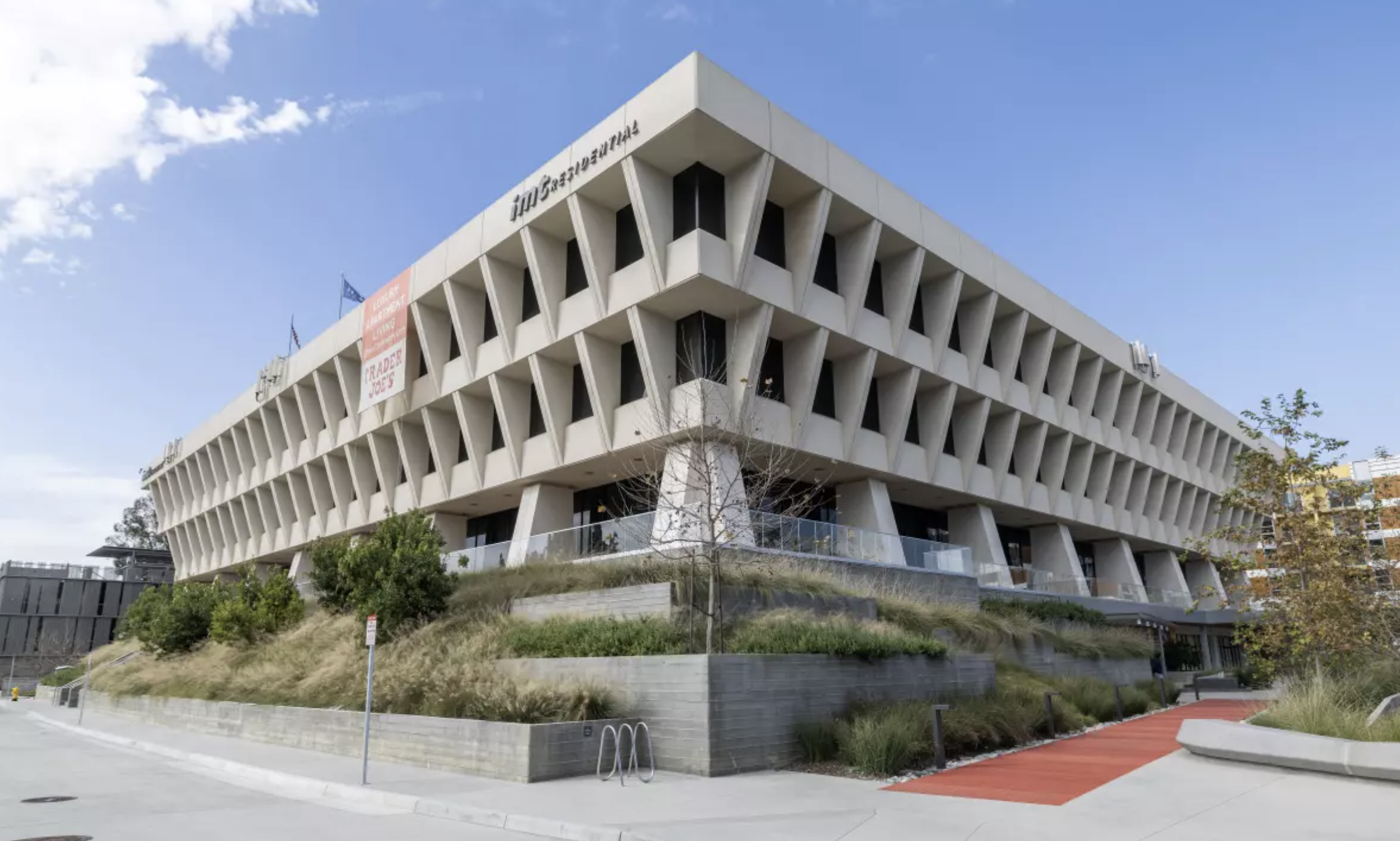
The ordinance change is already inspiring developers to move forward on ambitious projects. With downtown office vacancy rates high and landlords struggling to fill space, many see adaptive reuse as a promising way to create housing while putting underused buildings back into productive use. One developer has already begun converting a downtown high-rise into nearly 700 apartments, illustrating the immediate impact of the new regulations.
City planners and advocates say the benefits are two-fold. Not only does the policy help ease the city’s housing crunch by unlocking thousands of potential apartments, but it also tackles the growing problem of empty commercial buildings that have lingered since the pandemic disrupted demand for office space. By reducing bureaucratic hurdles, Los Angeles hopes these projects will occur more quickly and in more neighborhoods across the city — from Wilshire Boulevard to Sherman Oaks.
Despite the optimistic outlook, developers still face challenges. Rising construction costs, supply chain pressures and taxes such as Measure ULA — a sales tax on expensive property transactions — can make conversions financially difficult. Additionally, rental prices in the region have softened, reducing projected income for new apartment buildings. These factors mean that even with easier approvals, not all office buildings will be viable candidates for conversion.
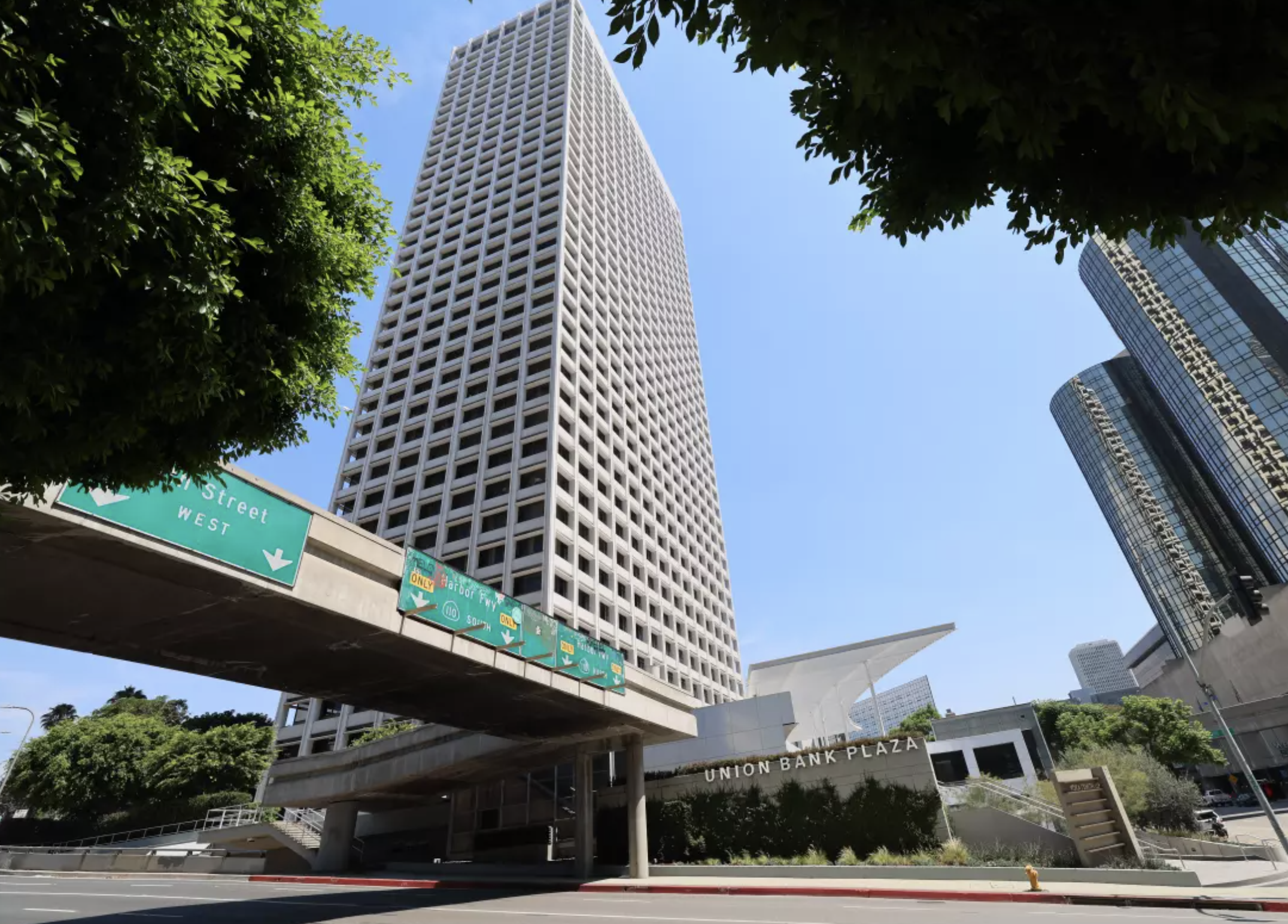
Still, the ordinance represents a meaningful shift in how Los Angeles approaches both its housing and commercial real estate markets. By opening the door to adaptive reuse on a larger scale than ever before, the city hopes to transform dormant office blocks into vibrant, livable spaces, helping to close the gap between housing demand and supply. As construction gets underway on several projects, the effects of this policy could reshape neighborhoods and provide a blueprint for other cities facing similar challenges.
Text by Roger Vincent | Photo credits on latimes.com | Read More Here
Login With
Or Sign Up With Disqus